Ask five safari guides whether to book the Mara Triangle or the main Masai Mara reserve. You will likely get five different answers, most of them defensible. Both zones sit inside the same ecosystem. Both hold lions, elephants and, for part of the year, the wildebeest migration. What actually changes between them is management, road quality, crowd levels and the style of camp you will sleep in. This mara triangle versus masai mara main reserve guide walks through those practical differences. That way you can match the right side of the Mara to your budget and travel dates. It also helps you decide how much company you want at a sighting.
What Is the Difference Between the Mara Triangle and the Masai Mara Main Reserve?
The Mara Triangle is the western section of the Masai Mara National Reserve, sitting west of the Mara River below the Oloololo Escarpment. It covers roughly 510 square kilometres and is managed by the Mara Conservancy. The larger eastern and central reserve is run by Narok County instead. The boundary changes management, not the wildlife.
First-time visitors sometimes assume the Triangle is a separate park with its own animals. It is not. Lions, leopards and elephants move freely across the invisible line, and wildebeest cross the Mara River in both directions during migration season. What differs is how each side is run day to day. The Mara Conservancy reinvests fees into road grading and ranger patrols across the Triangle. Narok County, in turn, oversees a wider network of gates and a much larger visitor base across the central and eastern reserve. If you want the fuller picture of the whole ecosystem before narrowing down a zone, start with our Masai Mara safari guide.
Which Has Better Wildlife Viewing, Mara Triangle or Main Reserve?
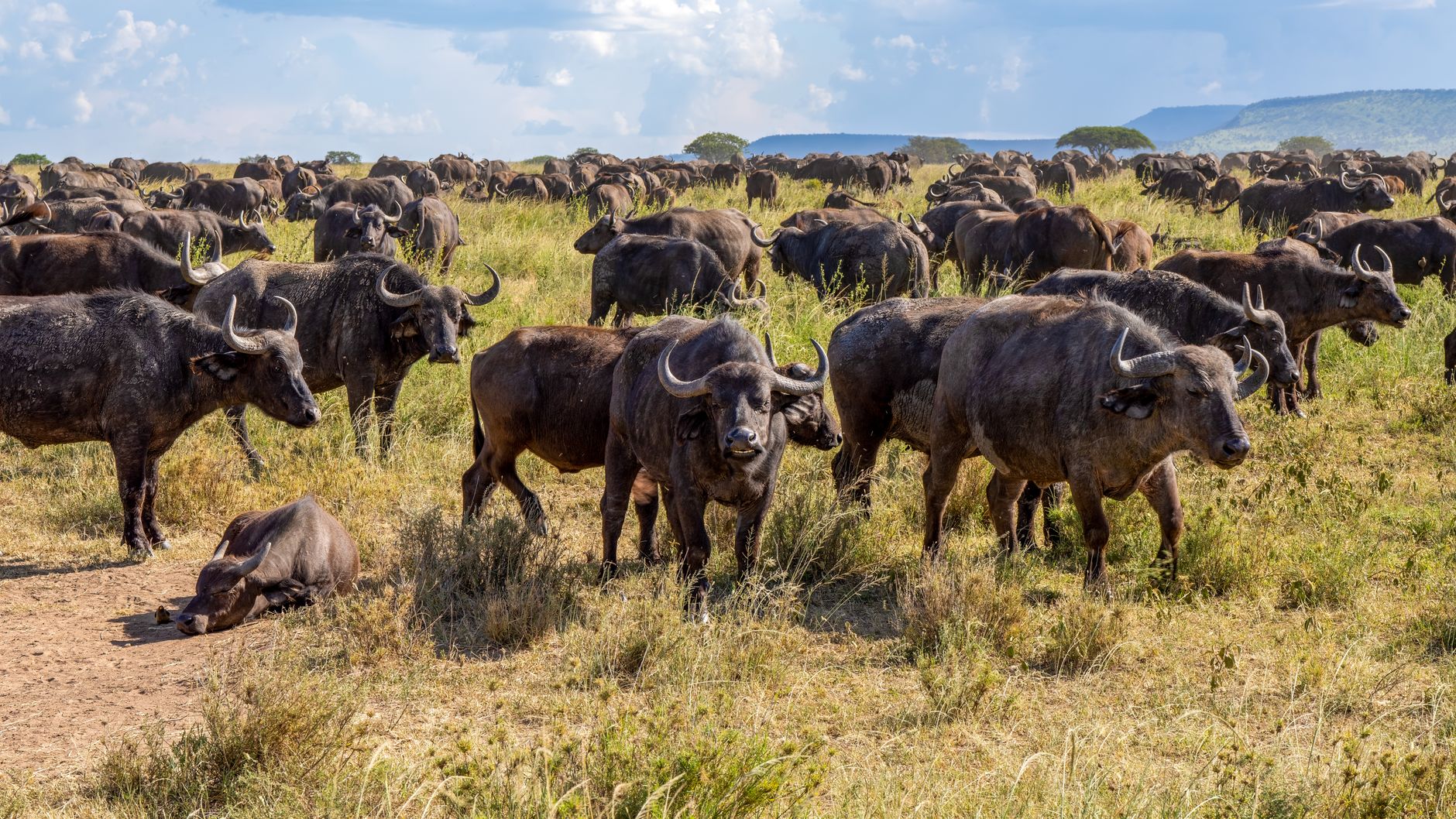
Neither zone guarantees better wildlife, since both sit inside the same Masai Mara National Reserve ecosystem. The main reserve offers broader plains, more access routes and strong year-round sightings of lions, leopards, cheetahs, elephants and buffalo. The Triangle often feels more productive because well-maintained roads and lower traffic let guides follow predator sightings calmly.
The central reserve around Musiara and the Talek River holds some of the Mara’s most studied lion prides, tracked by researchers and filmed for decades. The Triangle’s open grassland below the escarpment favors long sightlines, which helps with cheetah and cat spotting even when vehicle numbers are low. For a broader sense of which animals to expect and when, see our Big Five in Kenya guide. It covers habitat and seasonal behavior across the country, not just the Mara.
Which Side of the Masai Mara Is Less Crowded?
The Mara Triangle is usually less crowded than the eastern and central sections of the main reserve. That is because it has fewer camps, fewer access routes and tighter vehicle management. The difference is greatest near busy predator sightings and during peak migration weeks. The Triangle is quieter, but it is not empty, especially at major river-crossing viewpoints.
The Mara Conservancy caps the number of vehicles allowed at a single sighting. It also enforces off-road rules more consistently than is possible across the larger main reserve. Near Sekenani and Talek gates, the bulk of camps and day-trippers concentrate. A good lion sighting there can draw a long line of vehicles during high season. That congestion thins out west of the river. If crowd levels matter more to you than proximity to Nairobi, that alone can settle the choice.
How Do Access, Roads and Driving Rules Compare?
The main reserve has more gates and a wider road network. That makes it easier to reach from several safari circuits and to explore different sectors in one trip. The Triangle is mainly accessed through Oloololo Gate and has fewer roads, but they are generally better maintained. Both zones expect careful guide conduct, and off-road driving, where permitted, depends on local rules and designated areas.
Driving in from Nairobi or Narok town, most main reserve camps route guests through Sekenani, Talek or Ololaimutiek gates. All are reachable by road in a long day’s drive, or by a short flight to a nearby airstrip. Reaching the Triangle usually means flying into an airstrip on the western side. The alternative is driving around via the escarpment road, which takes longer but avoids some of the busier approach routes. Whichever route you take, pack for dust, sun and cool early mornings. Our Kenya safari packing list covers what actually earns its space in the bag.
What Do Accommodation and Park Fees Cost in Each Zone?
The main reserve has the widest choice of camps and lodges, from budget tented camps near Talek and Sekenani to higher-end properties. That range makes it easier to match a particular budget. The Triangle has fewer beds and a stronger concentration of intimate or premium camps. Confirm current fees directly, since rates, taxes and payment rules can change by season.
| Comparison point | Mara Triangle | Main Reserve (East and Central) |
|---|---|---|
| Managed by | Mara Conservancy | Narok County |
| Approximate size | about 510 sq km | several times larger overall |
| Main gate | Oloololo Gate | Sekenani, Talek, Ololaimutiek and others |
| Camp and lodge choice | fewer camps, mid to premium tier | widest range, budget to luxury |
| Non-resident park fee | indicative range, roughly US$100 to US$200 per person per day, confirm before travel | indicative range, roughly US$100 to US$200 per person per day, confirm before travel |
| Vehicle density at sightings | typically lower | can be higher near popular gates |
| Best suited to | quieter drives, well-kept roads | more camp choice, flexible access |
Fees and taxes shift often enough that any figure printed here should be treated as a starting point rather than a final number. For a fuller breakdown of what a Kenya trip costs beyond the park gate, see our Kenya safari cost guide. It walks through flights, camps and daily budgets in more detail.
Which Area Is Best for the Great Migration?
Choose the Mara Triangle if steep-bank Mara River crossings are the main priority, since the western river boundary is a major crossing landscape. Choose the main reserve for wider flexibility across the Talek River, central plains and eastern corridors. Crossing dates and locations are unpredictable, so no zone can promise a crossing on a specific safari day.
Great Migration river crossings tend to cluster between July and October. Rainfall in Tanzania’s Serengeti and local grass conditions can shift the herds earlier or later most years. Guides based in the Triangle often have an edge on timing crossings, because they watch the same stretch of riverbank daily. A crossing can just as easily happen on the eastern bank, right in front of a main reserve camp. For a month-by-month view of what to expect, see best time to visit the Masai Mara. Our wider best time to visit Kenya on safari guide covers the whole country.
Mara Triangle Versus Masai Mara Main Reserve Guide: Which Should You Choose?
Choose the Mara Triangle for fewer vehicles, strong management, well-maintained roads and a quieter high-quality safari, particularly during migration season. Choose the main reserve for more accommodation choices, multiple gates and broader driving options, and potentially easier access from Nairobi. A split stay can combine both experiences when the itinerary and budget allow.
Travelers weighing the Mara against an entirely different park, rather than just its two halves, have another option. Our Masai Mara versus Amboseli comparison is worth a read before deciding where to spend limited safari days. Conservancies bordering the main reserve, such as those north and east of the park boundary, offer a third option worth knowing about. Private land with its own low vehicle limits is a separate booking decision from choosing between the Triangle and the reserve itself.
What Do Travelers Often Ask About Mara Triangle and Masai Mara?
Is the Mara Triangle part of the Masai Mara?
Yes. The Mara Triangle is the western section of the Masai Mara National Reserve, separated from the eastern and central areas by the Mara River. It is managed by the Mara Conservancy rather than directly by Narok County.
Which side of the Masai Mara is less crowded?
The Mara Triangle is generally less crowded because it has fewer camps, fewer entry routes and tighter vehicle controls. Crowd levels can still rise during the Great Migration and at popular predator or river-crossing sightings.
Can you see the Great Migration in the Mara Triangle?
Yes. The Mara Triangle includes important Mara River crossing areas and can provide excellent migration viewing, especially from July to October. The herds do not follow a fixed timetable. Seeing an actual crossing depends on rainfall, herd movement and where you happen to be that day.
Can you visit both the Mara Triangle and the main reserve?
In many cases, one Masai Mara entry period can allow access to both management sections. Visitors must still follow the applicable gate, ticket and time rules. Confirm the current arrangement with your operator or at the gate before crossing between zones, since fees and regulations can change.
Which is better, Mara Triangle or Masai Mara?
The Mara Triangle is better for travelers who want lower vehicle density, road maintenance and a quieter safari. The main reserve is better for travelers who want more accommodation choices, multiple gates and access to wider central and eastern game-viewing areas. The best choice depends on season, budget and preferred safari style.
Where Can You Compare Mara Safari Packages?
Once you know which side of the Mara fits your trip, the next step is comparing current itineraries and camp rates. Sites like FindMySafari, Valley Safaris and Trunktrails Safaris let you browse packages covering both the Mara Triangle and the main reserve. You can compare safari operators side by side, weighing price, camp style and season before you commit to either one.
Where Can You Find More Mara Safari Planning Resources?
- Maasai Mara interactive map from SafariPure
- Masai Mara Great Migration guide from Trunktrails Safaris
- Interactive Maasai Mara map from Valley Safaris
- Masai Mara destination guide on FindMySafari